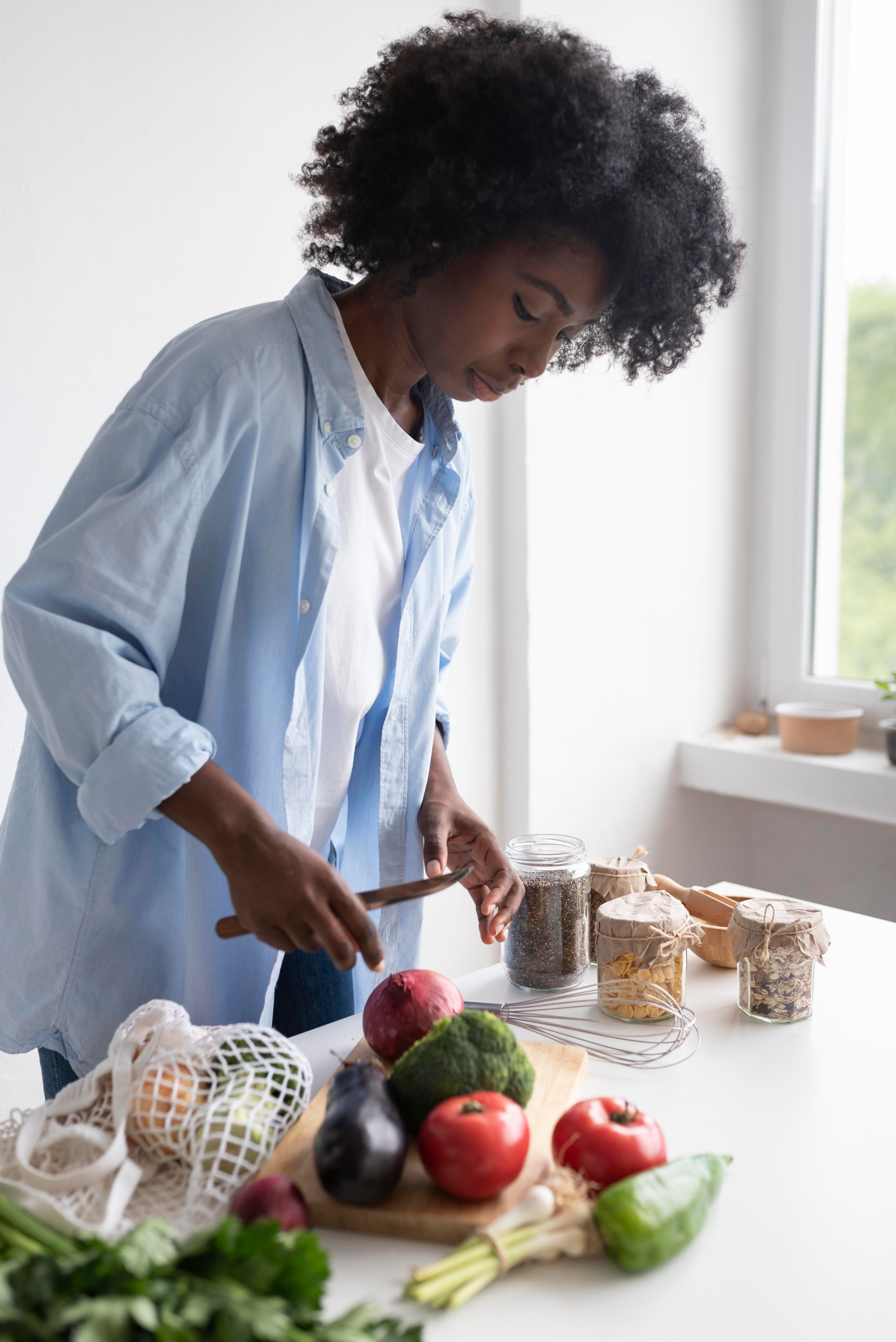
If the idea of meal prep feels overwhelming, you're not alone. Many of my clients come to me saying they know they should eat better, but between work, family, and everything else on their plates (no pun intended), cooking healthy meals feels like one more impossible task. Here's the good news: meal prep doesn't have to be complicated, time-consuming, or boring. With a simple framework and a couple of hours on the weekend, you can set yourself up for an entire week of nourishing meals that save you time, money, and stress.
Why Meal Prep Changes Everything
The number one reason most people reach for fast food or processed snacks isn't a lack of knowledge — it's a lack of preparation. When you're hungry and there's nothing ready to eat, willpower rarely wins. Meal prep removes that daily decision fatigue by putting healthy options within arm's reach. Studies show that people who plan and prepare their meals in advance consume more fruits and vegetables, eat fewer calories overall, and have a more balanced nutrient intake.
Beyond nutrition, meal prep reduces stress. Imagine opening your fridge on a busy Tuesday evening and finding a perfectly portioned, delicious meal ready to heat and enjoy. No scrambling, no guilt, no drive-through detour. That peace of mind is priceless — and it frees up mental energy you can invest in other areas of your life.
Choosing Your Prep Day
Most people find that Sunday works best for meal prep, but there's no rule that says it has to be. The best prep day is the one that fits your schedule consistently. Some of my clients prefer Saturday mornings while the house is quiet. Others split their prep across two shorter sessions — maybe Sunday and Wednesday — to keep ingredients fresh and add variety to the week.
Block out two to three hours for your first session. As you get more comfortable with the process, you'll naturally become faster. Put on some worship music or a podcast, pour yourself a cup of tea, and make it a ritual you actually look forward to rather than a chore.
The Simple Framework: Protein + Veggie + Grain
You don't need complicated recipes to meal prep effectively. The simplest approach is to build each meal around three components: a protein source, a vegetable or two, and a whole grain or complex carbohydrate. This framework ensures balanced nutrition without overthinking.
- Proteins: Grilled chicken breast, baked salmon, ground turkey, hard-boiled eggs, lentils, or black beans
- Vegetables: Roasted broccoli, sautéed spinach, roasted sweet potatoes, steamed green beans, or a fresh mixed salad
- Grains: Brown rice, quinoa, whole wheat pasta, farro, or roasted red potatoes
Pick two to three options from each category each week, cook them in bulk, and mix and match throughout the week. This keeps things simple while providing enough variety to prevent boredom. Season each component differently — a little lemon herb on the chicken, some garlic on the broccoli, cumin in the rice — and the same base ingredients can taste completely different from meal to meal.
Batch Cooking Basics
The key to efficient meal prep is batch cooking — preparing large quantities of a few items at the same time. Start by preheating your oven and getting your grains cooking on the stovetop. While those are working, chop and season your vegetables for roasting. Use sheet pans lined with parchment paper for easy cleanup: one pan for protein, one for veggies. Most items roast beautifully at 400°F for 20 to 30 minutes.
While everything is in the oven, use that time to wash and chop raw ingredients for salads, prepare overnight oats for breakfasts, or portion out snacks like hummus, cut vegetables, or trail mix. The goal is to work in parallel — multiple things cooking and being prepared simultaneously — rather than making one recipe at a time from start to finish.
Storage Tips for Freshness
Proper storage is what makes your meal prep last all week. Invest in a set of quality glass containers with airtight lids — they're microwave-safe, won't stain, and keep food fresh longer than plastic alternatives. Here are a few guidelines to keep your prepped meals at their best:
- Let all cooked food cool completely before sealing and refrigerating
- Store proteins and grains together but keep dressings and sauces separate to avoid soggy meals
- Most prepped meals stay fresh in the refrigerator for four to five days
- If you're prepping for a full week, freeze Thursday and Friday's meals and thaw them the night before
- Label containers with the date and contents so nothing gets lost in the back of the fridge
Sample Meal Prep Plan for a Week
Here's a simple example of what one week of meal prep might look like. This plan covers lunches and dinners — breakfasts can be as simple as overnight oats, smoothies, or eggs prepared fresh each morning.
- Prep: Baked lemon-herb chicken thighs, seasoned ground turkey with taco spices, roasted broccoli and sweet potatoes, cooked quinoa and brown rice, washed salad greens
- Monday–Tuesday: Lemon chicken + quinoa + roasted broccoli for lunch; ground turkey lettuce wraps with avocado for dinner
- Wednesday–Thursday: Turkey taco bowl with rice, salad greens, salsa, and black beans for lunch; lemon chicken + sweet potatoes + steamed green beans for dinner
- Friday: Remaining quinoa bowl with roasted veggies and a tahini drizzle for lunch; fresh-cooked fish or a simple stir-fry with prepped vegetables for dinner
Notice how the same batch-cooked ingredients get remixed into different meals throughout the week. That's the beauty of this approach — minimal cooking, maximum variety. Adjust portions and ingredients to match your dietary needs and preferences, and don't be afraid to experiment with new spices, sauces, and combinations each week.
Meal prep is one of the most impactful wellness habits you can build. It's not about being perfect or making Instagram-worthy containers — it's about setting yourself up for success so that healthy eating becomes the easy choice, not the hard one. Start small, stay consistent, and remember: every meal you prepare with intention is an act of caring for the body God gave you.